
Energy & Endurance
Energy and Endurance Supplements
Energy and endurance supplements are popular products for men who train hard, work long hours, or both. This page covers what these products contain, how they are formatted, and what to look for on a label — focused on ingredient information and practical context.
What this page covers
We focus on ingredient information and practical context. We do not promise that any product will give you more energy or better endurance. We explain what is in the products so you can evaluate whether they fit your routine — covering caffeine sources, amino acids, electrolytes, adaptogens, capsule formats, and how to read a label.
Inside the products
What energy supplements actually contain
Most energy supplements contain some combination of caffeine, B vitamins, amino acids, and herbal extracts. Caffeine is the most common active ingredient, whether from synthetic sources, green coffee bean extract, guarana, or tea extracts. B vitamins are added because of their role in energy metabolism. Amino acids like taurine and L-carnitine appear in many pre-workout formulas. Herbal extracts include ginseng, rhodiola, and cordyceps. We list these ingredients so you know what you are reading when you pick up a product.
Stimulant & alertness compound
The most common active ingredient in energy supplements. Found in synthetic form (caffeine anhydrous) and in plant sources like green coffee bean, guarana seed, and tea extracts.
Metabolism cofactors
Added to energy supplements because of their role in energy metabolism — helping the body convert food into usable energy. Includes B12, B6, and niacin in most formulations.
Taurine & L-carnitine
Amino acids like taurine and L-carnitine appear in many pre-workout formulas. They are often listed alongside caffeine and herbal extracts in products marketed to active men.
Plant origins
Caffeine sources in natural energy products
Caffeine in natural energy products comes from several plant sources. Green coffee bean extract provides caffeine in its unroasted form. Guarana is a seed from the Amazon that contains more caffeine per gram than coffee beans. Green tea extract provides caffeine alongside L-theanine, an amino acid that affects how the caffeine is experienced. Yerba mate is a South American tea with caffeine. Each source has a different profile.
A product listing "caffeine from guarana" is telling you something specific about its origin — not just that caffeine is present, but where it came from. This matters if you are comparing energy and endurance supplements and want to understand the source of the stimulation rather than only the total milligrams.
- Green coffee bean extract — caffeine from unroasted coffee beans
- Guarana — Amazonian seed, more caffeine per gram than coffee
- Green tea extract — caffeine paired with L-theanine
- Yerba mate — South American caffeinated tea
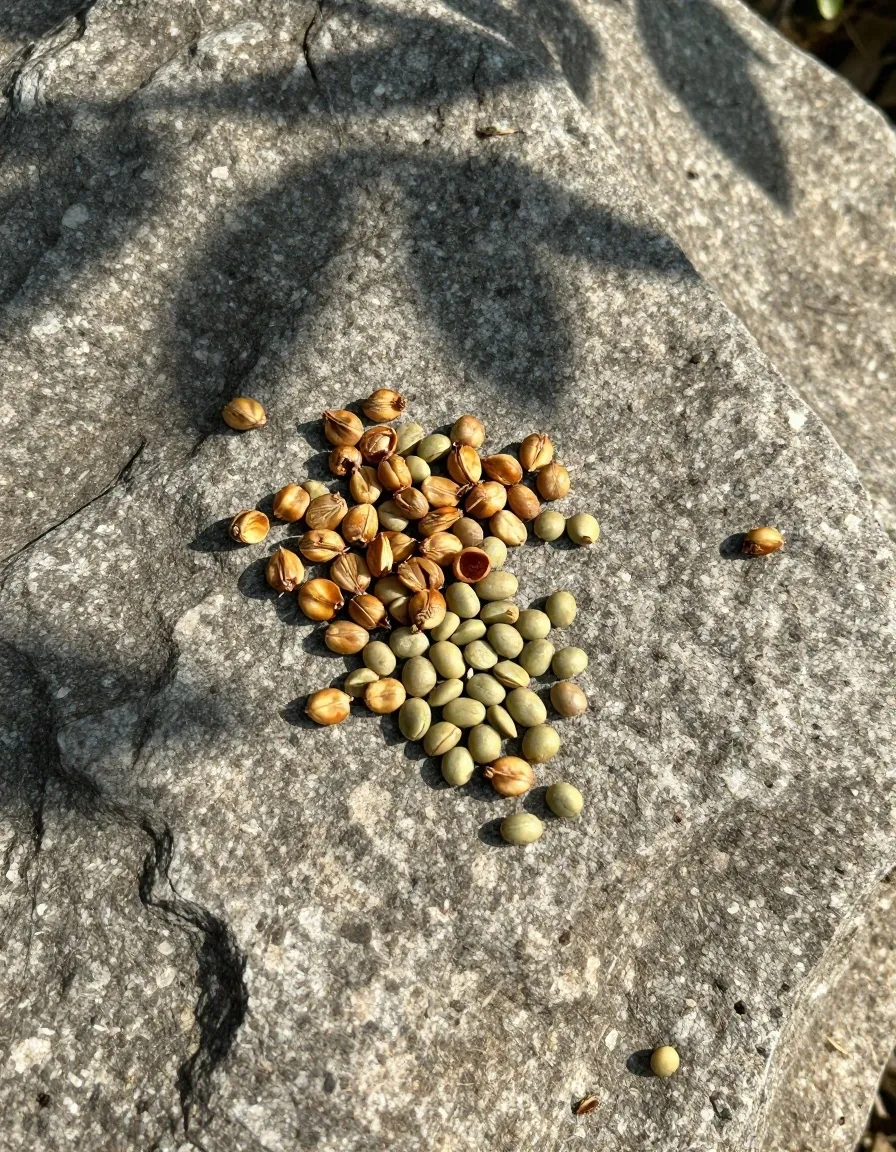
Plant sources of caffeine each carry a distinct profile beyond total milligrams.
Know the difference
Endurance products versus pre-workout products
Endurance products and pre-workout products overlap but serve different routines. Pre-workout products are designed to be taken 30 to 45 minutes before training. They typically contain caffeine, amino acids, and sometimes creatine. Endurance products are taken during or after longer efforts. They include electrolytes for hydration, carbohydrates for fuel, and amino acids for recovery. If you are running a 10K, an endurance product taken during the event is different from a pre-workout taken before a gym session. We explain this distinction because the labels often blur it.
Pre-Workout
- When to take
- 30 to 45 minutes before training
- Typical contents
- Caffeine, amino acids, sometimes creatine
- Best for
- A focused gym session or shorter intense effort
Endurance
- When to take
- During or after longer efforts
- Typical contents
- Electrolytes, carbohydrates, amino acids
- Best for
- A long run, ride, or sustained outdoor activity

Hydration & minerals
Electrolytes and hydration
Electrolytes are minerals that carry an electric charge in the body. The main ones in energy and endurance products are sodium, potassium, and magnesium. You lose electrolytes through sweat during sustained physical activity. Products that replace them include sports drinks, electrolyte powders, and capsules. In a hot climate like Bali, a man working outside for hours loses more sodium through sweat than someone in a cooler environment. Electrolyte supplementation is practical in that context.
Traditional plant category
Adaptogens in endurance formulas
Adaptogens are a category of plants used in traditional wellness systems. Common adaptogens in endurance formulas include ashwagandha, rhodiola rosea, and cordyceps. Rhodiola is a root grown in Arctic and mountainous regions. Cordyceps is a fungus used in traditional Chinese practices. These ingredients appear in endurance products marketed to active men. We describe what they are and where they come from. We do not claim they improve endurance.
Ashwagandha
A root used in Ayurvedic traditions, found in daily-support formulas.
Rhodiola Rosea
A root grown in Arctic and mountainous regions.
Cordyceps
A fungus used in traditional Chinese practices.
Daily routine format
Natural capsules for strength and vitality
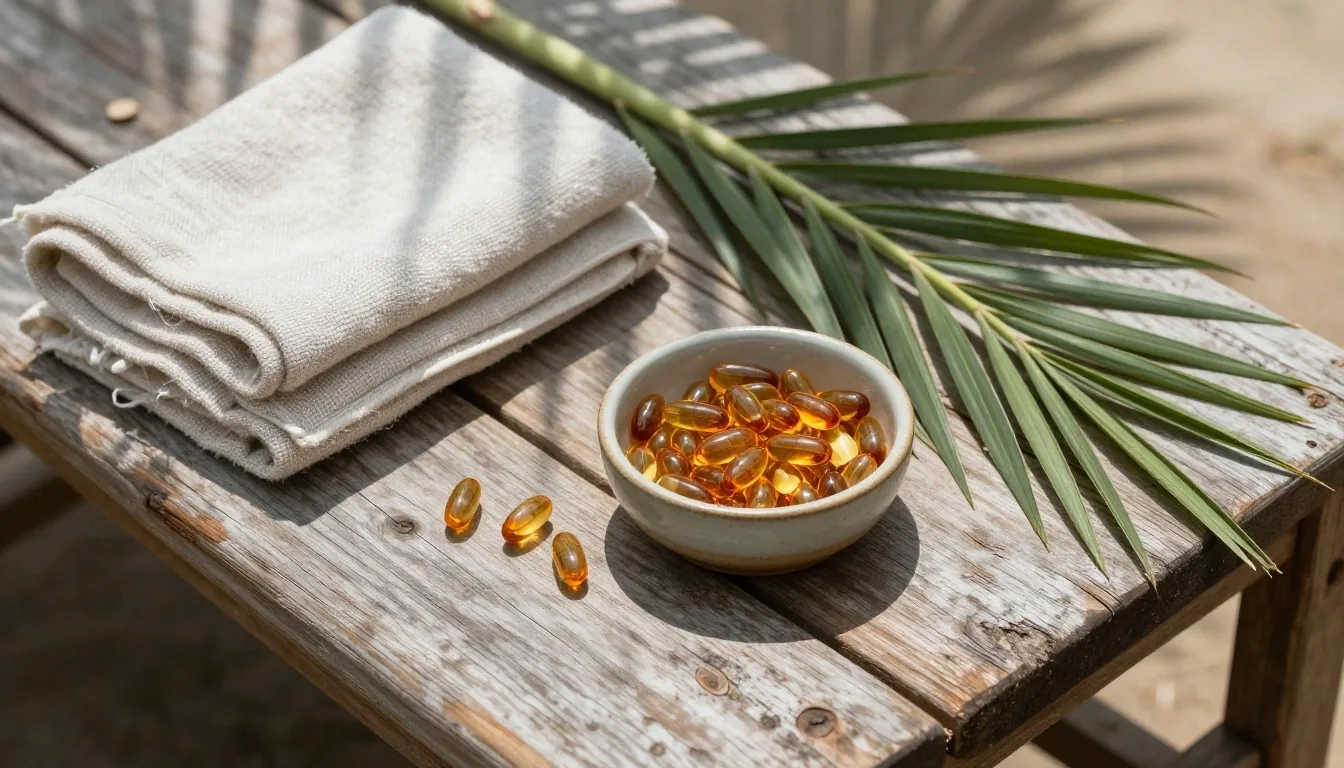
Some men prefer energy support in capsule form rather than drinks or powders. Natural capsules for strength and vitality typically contain herbal extracts like ginseng, maca, and ashwagandha. These are taken daily as part of a routine rather than before a specific workout. They are slower in nature. You take them consistently and they become part of a wellness habit.
We include them on this page because the line between energy products and vitality products is not always clear. A man taking ginseng daily may be doing it for the same reason another man takes a pre-workout. The format differs — the intent is the same.

Before you buy
How to read an energy product label
Energy product labels list ingredients, caffeine content, and serving size. Check the caffeine amount per serving. Products range from 50 mg to over 300 mg per serving. For comparison, a cup of brewed coffee contains about 95 mg. Check whether the caffeine comes from a named source or is listed as "caffeine anhydrous," which is a synthetic form. Look at the other ingredients and whether they are listed with amounts or hidden in a "blend." A label that says "energy blend 1000 mg" without breaking it down is less useful than one that lists each ingredient separately.
Check caffeine per serving
Products range from 50 mg to over 300 mg. A cup of brewed coffee contains about 95 mg for comparison.
Identify the caffeine source
"Caffeine from guarana" tells you the origin. "Caffeine anhydrous" is a synthetic form. The label should make this clear.
Watch for undisclosed blends
"Energy blend 1000 mg" without a breakdown is less useful than a label that lists each ingredient with its own amount.
Note the serving size
A "serving" may be one scoop, two capsules, or half a bottle. Compare products on a per-serving basis, not per container.
Plan your intake
Practical timing and routine
When you take an energy product matters. A pre-workout taken at 6 PM may interfere with sleep. An endurance drink taken during a morning run is different from one taken at a desk job. We suggest thinking about your daily schedule before choosing a product.
If you train in the morning, caffeine before training is one thing. If you train in the evening, a caffeine-free endurance product may be more appropriate. These are practical decisions, not medical ones. Consider when you work, when you train, and when you sleep — then match the product to that rhythm.
Questions about a product?
Contact us with product questions
If you want to understand an ingredient, compare two labels, or learn which format fits your routine, reach out. We respond to product questions during working hours.
Address
Jl. Raya Kuta No. 88
Badung, Bali 80361
Indonesia
Phone
+62 361 770 357
Mon–Fri, 09:00–18:00 WITA
Products discussed on this page are intended as dietary supplements, not as replacements for a varied diet. We provide ingredient information and practical context for educational purposes. Consult a qualified professional before adding any supplement to your routine, especially if you have existing health concerns or take other products. Individual responses to caffeine, amino acids, and herbal extracts vary.