
Pria Alam — Natural Supplements for Men
Natural Supplements for Men
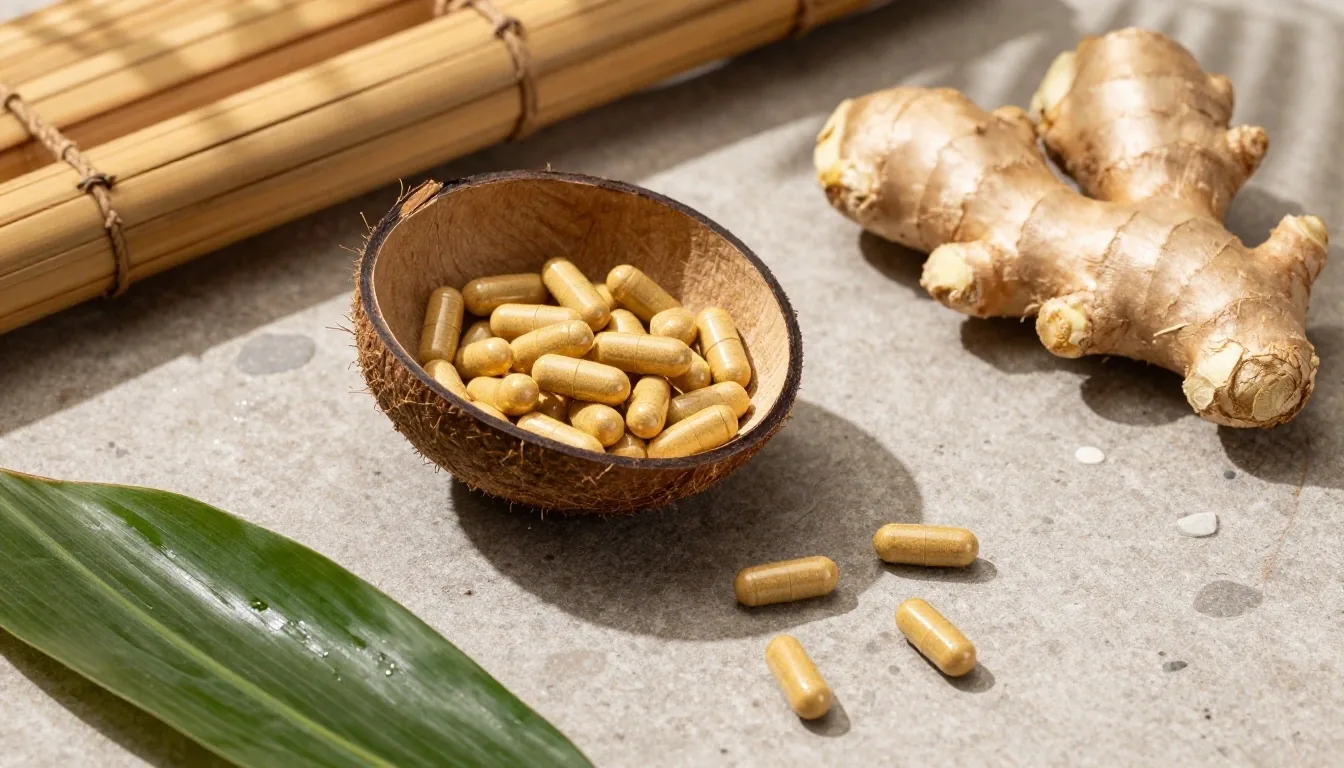
Herbal capsules, plant-based powders, and traditional wellness formulas made from roots, seeds, and leaves. This page explains what these products are, what they contain, and how they fit into a daily routine — without making claims about what they will do for you.
What This Page Covers
We describe what is in them and how they are typically used.
Natural supplements for men include herbal capsules, plant-based powders, and traditional wellness formulas made from roots, seeds, and leaves. We focus on product information: ingredient names, natural sources, formats, and practical context.
We do not make claims about what these supplements will do for you. Instead, we describe each ingredient by what it is, where it grows, and how it has been traditionally consumed — so you can read labels with more confidence and choose what fits your daily routine.
Common Ingredients
What counts as a natural supplement
A natural supplement is a product made from plant or mineral sources, processed into a form you can consume. This includes capsules containing dried root powder, liquid extracts from leaves, and teas made from seeds or bark. The word "natural" on a label means the ingredients come from natural sources — it does not mean the product is unprocessed. A capsule of ashwagandha root extract, for example, goes through drying, grinding, and encapsulation before it reaches you.
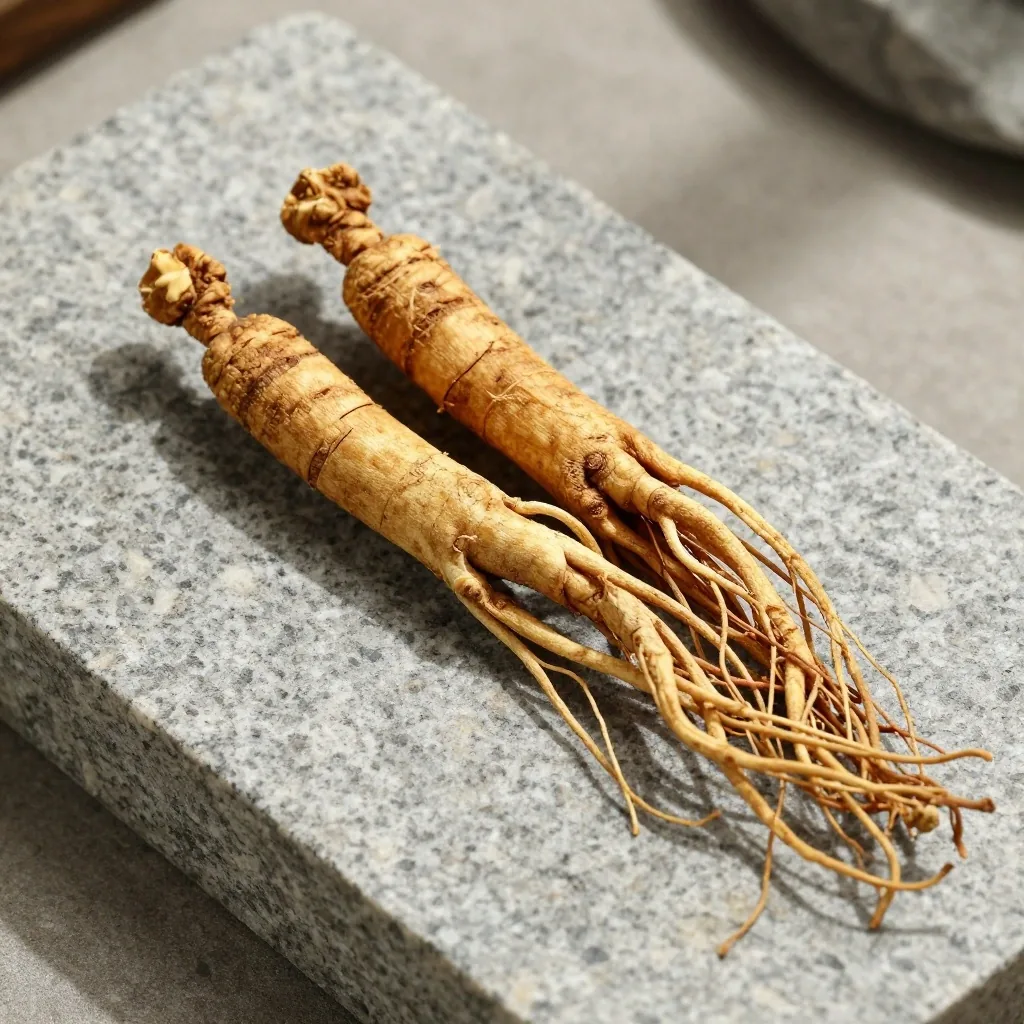
Ginseng root
Panax ginseng, also called Asian ginseng, is native to Korea, China, and parts of Siberia. American ginseng is a related but distinct species. The root is typically dried and ground into powder for capsules or steeped for tea.
Ginseng has a long history of use in traditional wellness practices across East Asia. We describe this history without claiming specific outcomes.
Maca root
Maca is a plant native to the high-altitude regions of Peru, growing above 4,000 meters in the Andes. The root is dried and ground into powder, sold loose or in capsules. Maca is part of traditional Andean diets and has been consumed as food for centuries.
In supplement form, it appears in men's vitality products alongside ginseng and ashwagandha. The powder has an earthy, slightly nutty taste when mixed into drinks.
Ashwagandha root
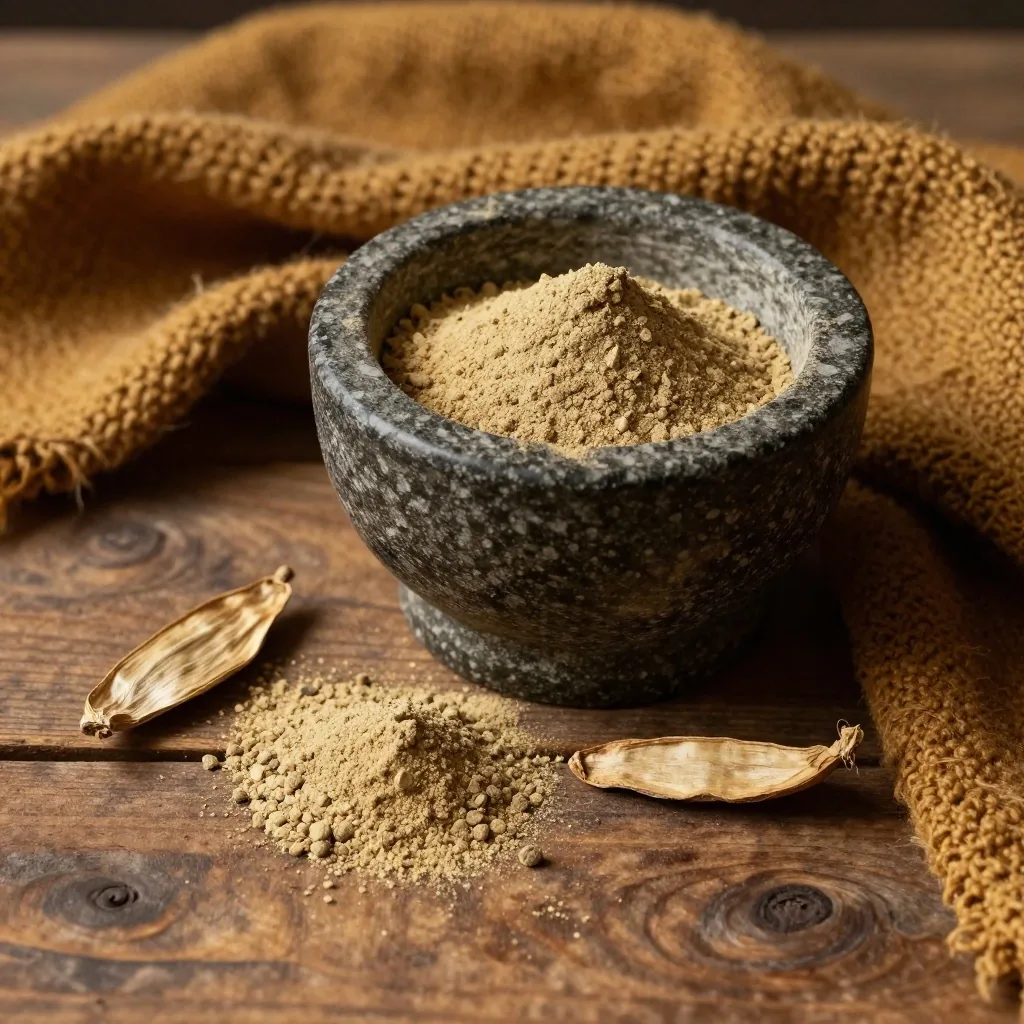
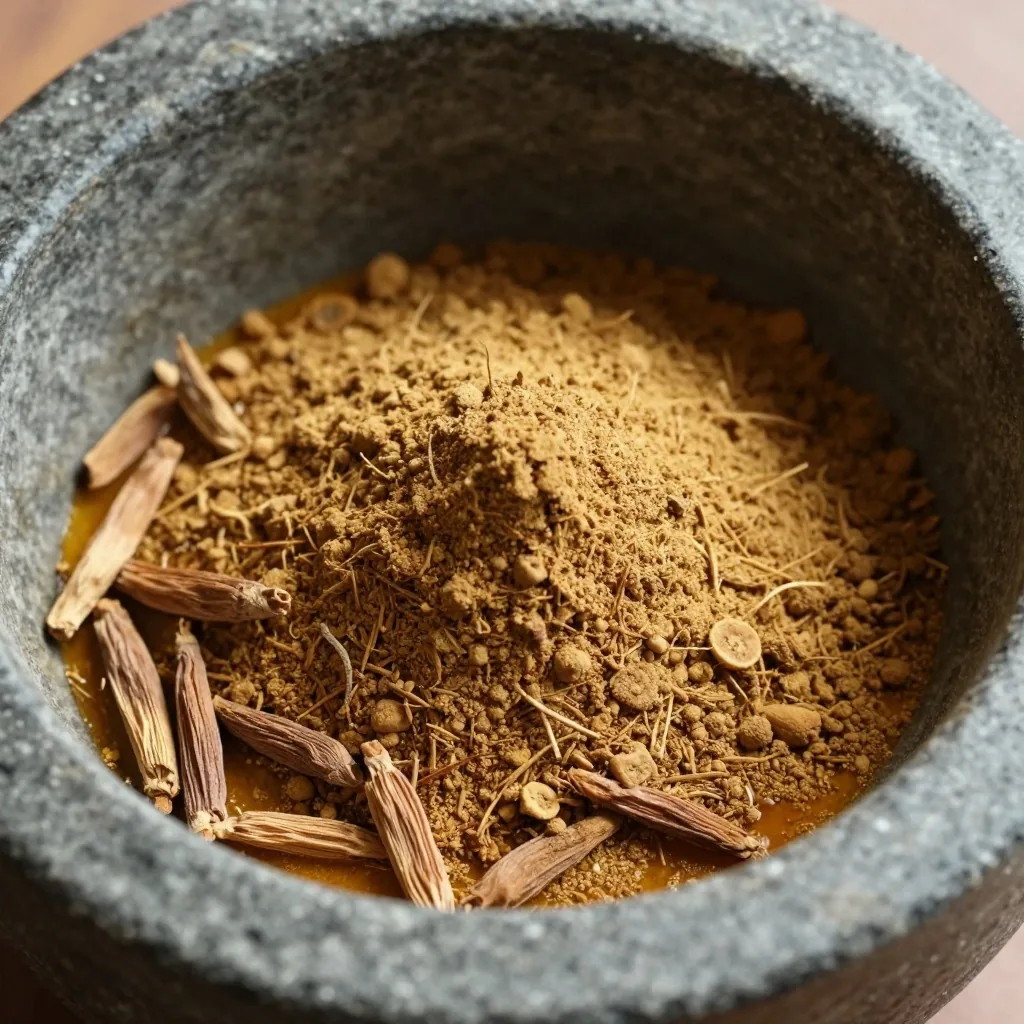
Ashwagandha comes from a plant used in Ayurvedic traditions in India. The root is dried, ground, and encapsulated. Some products use a concentrated extract, while others use whole root powder.
Ashwagandha is classified as an adaptogen — a category of plants used in traditional wellness systems. It is one of the most commonly searched natural supplements for men. We describe what it is and where it comes from, not what it will do for you.
Fenugreek seed
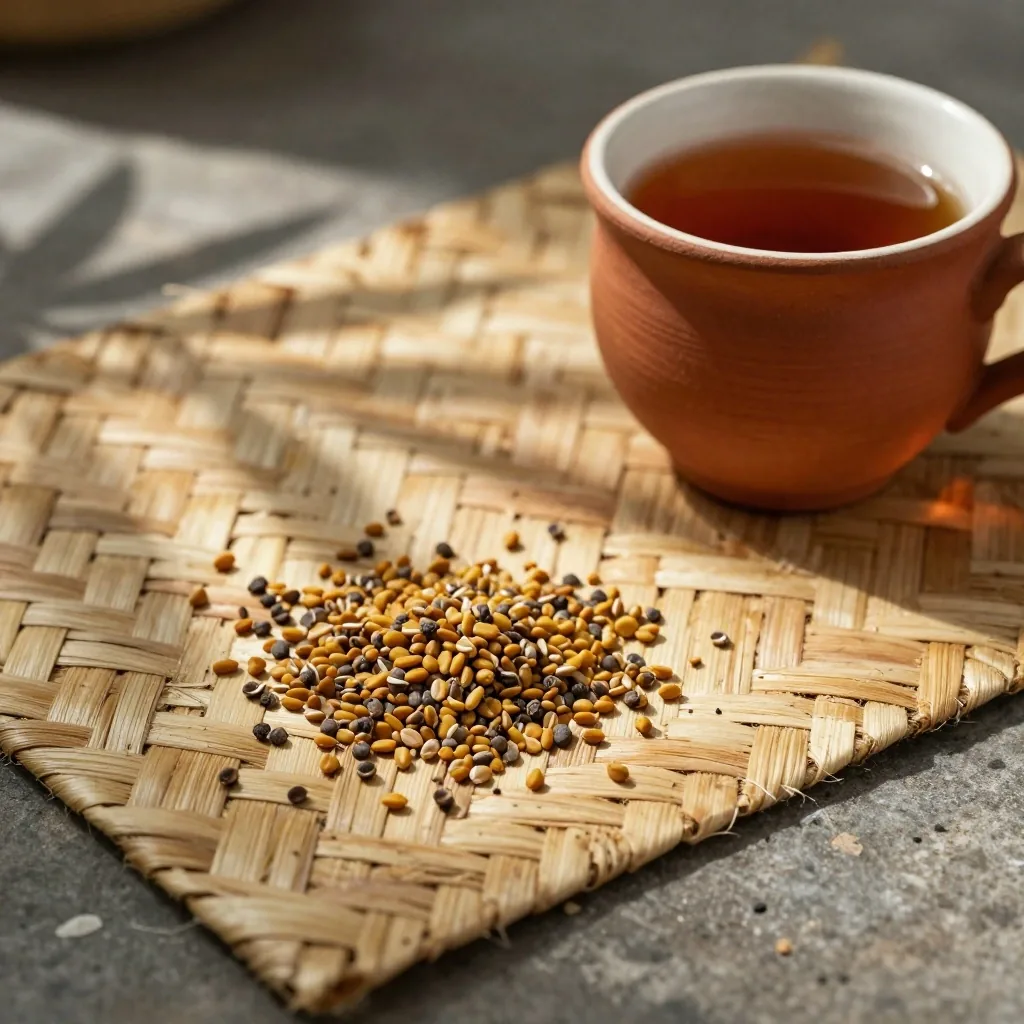
Fenugreek is a plant whose seeds are used in both cooking and supplement manufacturing. The seeds are small, yellow-brown, and have a distinct aroma. In supplement form, fenugreek seed extract appears in men's wellness formulas.
It is also a common spice in South Asian and Middle Eastern cooking. This dual use as food and supplement means the ingredient has a long history of human consumption before it ever ended up in a capsule.

Formats and Daily Use
Capsules, powders, and teas — each format has trade-offs
Capsules are the most common format for men who want a simple daily routine. Powders offer flexibility in dosing but require mixing. Teas provide a slower, ritual-based approach. Each has its own considerations — and the right choice depends on what fits your life.
Choosing a Format
Three formats, three rhythms
Natural supplements come in several formats, and each one shapes how you interact with the product daily. Understanding the differences helps you pick a format that fits your schedule, your taste, and your patience for preparation.
Capsules
Best for
A simple daily routine with no preparation. Pre-measured amounts mean no counting or scooping.
Trade-off
You are limited to pre-measured amounts. Adjusting the dose means opening capsules or taking more than one.
Taste
None.
Powders
Best for
Flexibility. You can adjust the amount and mix it into smoothies, warm water, or other drinks.
Trade-off
Requires mixing and measuring. Some powders mix better in warm liquids than cold ones.
Taste
Earthy, sometimes nutty.
Teas
Best for
A slower, ritual-based approach. Teas made from seeds, bark, or roots offer a gentle, grounded way to consume supplements.
Trade-off
Takes time to prepare and steep. Not ideal when you need something fast.
Taste
Varies by ingredient.
Reading the Label
How to read a natural supplement label
Labels on natural supplements list ingredients, quantities, and suggested use. Look for the ingredient name, not just the marketing name. "Vitality blend" tells you nothing. "Panax ginseng root extract, 500 mg" tells you what is in the capsule.
Check the format: extract versus whole powder. Check the serving size and whether it matches your routine. Look for allergen warnings and storage instructions. If a label is vague, that is information — a product that does not tell you what is in it is harder to evaluate.
What to Check
- Ingredient name — not the marketing blend name
- Quantity per serving — in milligrams or grams
- Format — extract versus whole powder
- Serving size — and whether it matches your routine
- Allergen warnings — and storage instructions
- Vague labels — if it does not say what is in it, that is information
Daily Use
Practical considerations for daily use
If you add a natural supplement to your routine, timing and consistency matter more than most people think. A capsule taken at the same time each day builds a habit. Taking it with food or without food depends on the ingredient and your digestion.
Some powders mix better into warm liquids than cold ones — maca, for example, blends more smoothly into warm water or a warm smoothie. Store supplements away from heat and humidity, which is especially relevant in tropical climates like Bali. A cool, dry shelf away from direct sunlight keeps capsules and powders stable for longer.
These are practical details that make a routine sustainable or frustrating. A format that fits your morning, a storage spot that stays cool, and a consistent time of day — these small choices determine whether a supplement becomes a habit or a bottle that sits unused.
A format that fits your morning, a storage spot that stays cool, and a consistent time of day — these small choices determine whether a supplement becomes a habit or a bottle that sits unused.
The habit held
Continue exploring men's health support
This page covers what natural supplements for men are, what they contain, and how to read their labels. The rest of our resource covers vitamins and minerals, energy and endurance formulas, and how we write about all of it. If you have ingredient questions, we are reachable by phone or email.
Contact Us with Ingredient Questions